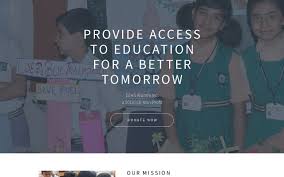
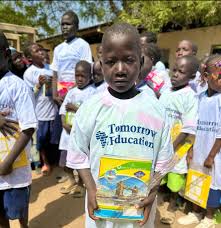
Education is the foundation upon which the progress of individuals and societies is built. It shapes the way people think, communicate, and solve problems. The idea of “Education for a Better Tomorrow” emphasizes the power of learning to create positive change in the world. Through education, we gain the knowledge, skills, and values necessary to build a brighter, more sustainable future for the next generation.
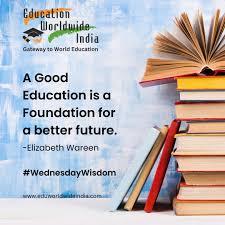
A strong education system begins with access. When every child, regardless of background or economic condition, has the opportunity to learn, society takes a step toward equality and empowerment. Education gives people the tools to overcome poverty, improve their quality of life, and contribute to their communities. It develops confidence, encourages curiosity, and nurtures creativity—qualities essential for personal growth and social development.
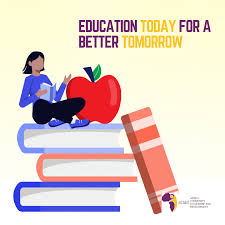
One of the most important roles of education is preparing individuals for the modern world. The 21st century demands not just academic knowledge but also critical thinking, problem-solving abilities, communication skills, and technological literacy. Students must be equipped to adapt to rapid changes in industries, workplaces, and global challenges. Schools and institutions that focus on holistic development offer students a complete learning experience. This includes not only classroom lessons but also sports, arts, values education, and hands-on activities that build life skills.
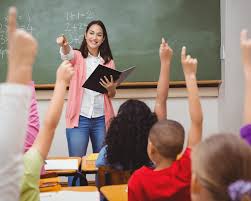
Teachers play a significant role in shaping a better tomorrow. They are mentors, guides, and sources of inspiration who influence young minds. A skilled and passionate teacher can spark a student’s interest and motivate them to excel. Investing in teacher training and providing them with the right resources is essential to improving the overall quality of education. When teachers feel supported, students benefit through better learning experiences.
Technology has also become an important part of modern education. From digital classrooms to online learning platforms, technology opens doors to endless possibilities. It makes learning more interactive, accessible, and personalized. Students in remote areas can now access educational materials, and learners can explore subjects beyond their textbooks. However, it is equally important to ensure that technology is used correctly and responsibly, so it enhances learning rather than replacing meaningful human interaction.

Education also plays a crucial role in shaping values and character. It teaches empathy, respect, responsibility, and cooperation—qualities necessary for peaceful and harmonious societies. In a world facing global challenges such as climate change, inequality, and conflict, education encourages individuals to become responsible citizens who work toward solutions. Through awareness and understanding, students can grow into adults who care for the planet and contribute positively to the world.
In conclusion, “Education for a Better Tomorrow” is more than a concept—it is a commitment to building a world where knowledge, innovation, and compassion lead the way. By ensuring quality education for all, empowering teachers, and embracing modern learning methods, we prepare the next generation for success. A better tomorrow begins with the steps we take today to strengthen and support education.